
Optimal Timing for Asphalt Sealings
Proper timing for asphalt sealings is essential to maximize durability and effectiveness. The best time to perform sealings depends on weather conditions, temperature, and asphalt condition. Typically, sealings are most effective when applied during warm, dry months with consistent temperatures.
Late spring and early fall are generally ideal for asphalt sealings due to moderate temperatures and lower humidity.
Sealings should be applied when daytime temperatures are consistently above 50°F and not exceeding 85°F for proper curing.
Avoid sealings during rainy, freezing, or extremely hot conditions to prevent improper curing and surface damage.
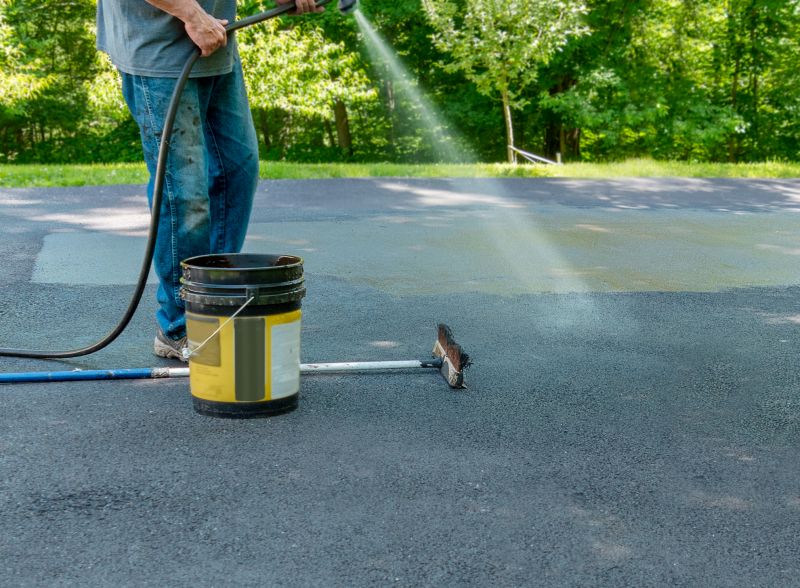
Ensure the asphalt surface is clean, dry, and free of debris before application for optimal adhesion.
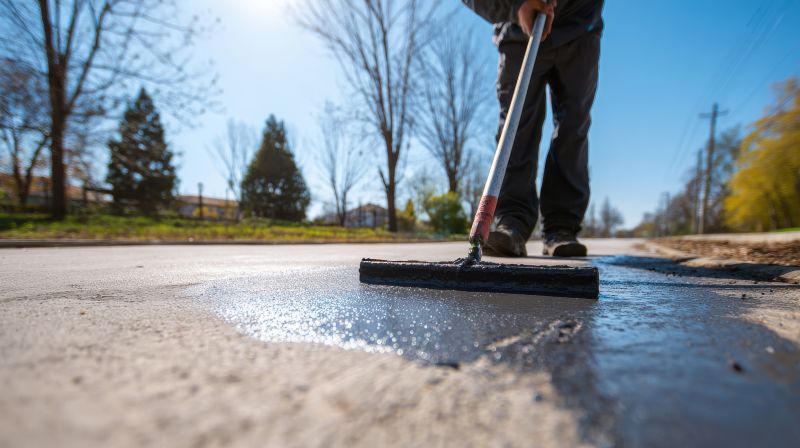
Ways to make Asphalt Sealings work in tight or awkward layouts.
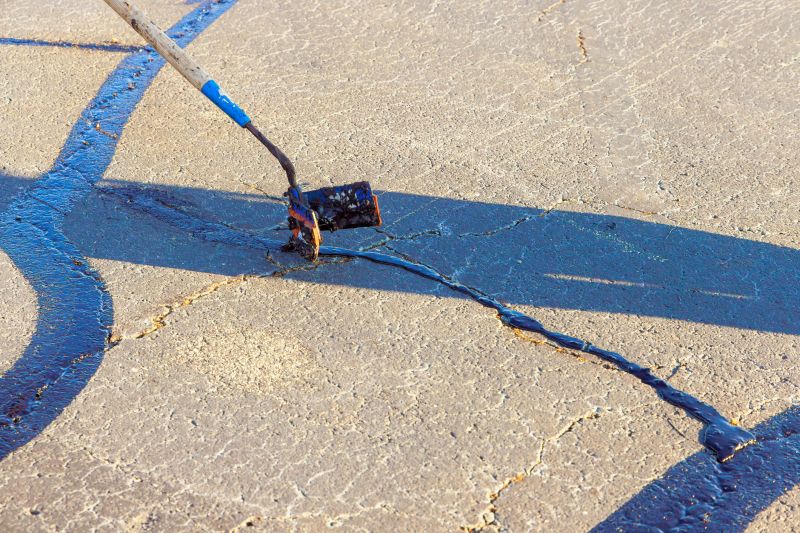
Popular materials for Asphalt Sealings and why they hold up over time.
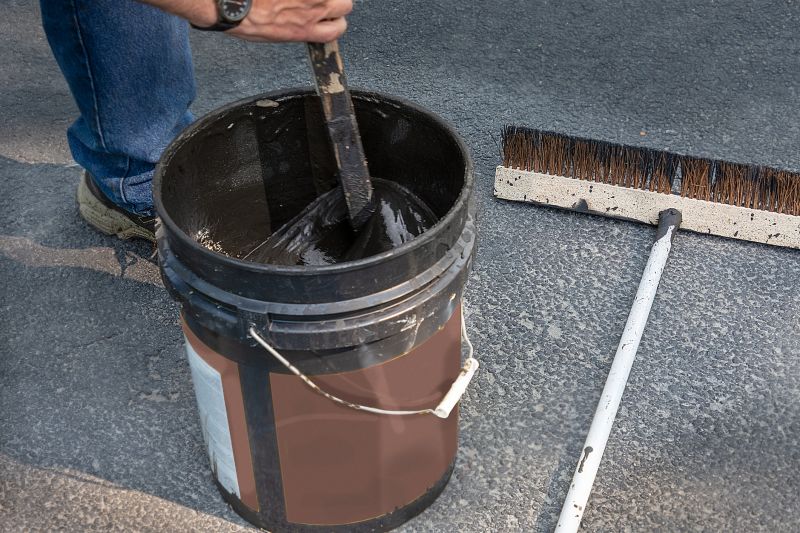
Simple add-ons that improve Asphalt Sealings without blowing the budget.
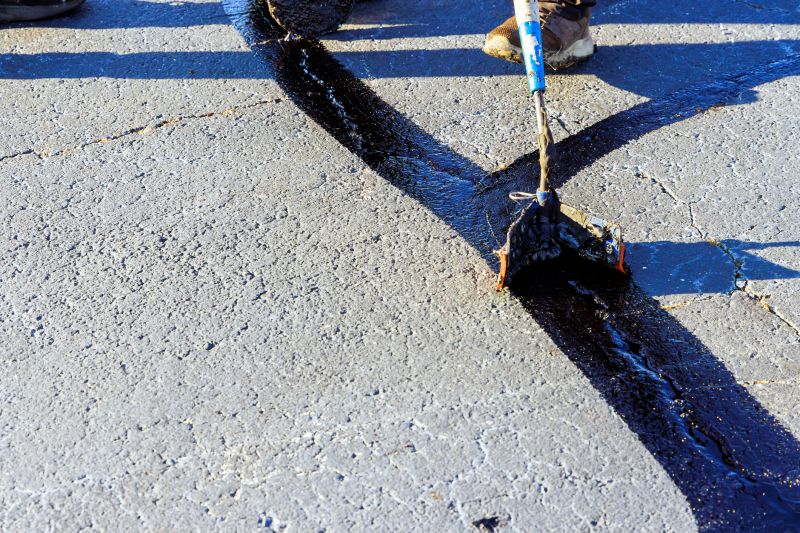
High-end options that actually feel worth it for Asphalt Sealings.

Finishes and colors that play nicely with Asphalt Sealings.
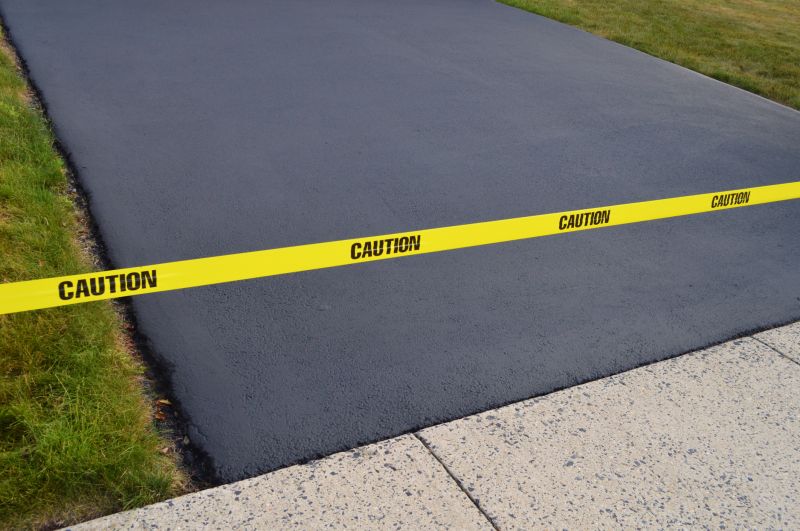
Little measurements that prevent headaches on Asphalt Sealings day.
| Season | Recommended Temperature Range |
|---|---|
| Spring | 50°F to 70°F |
| Summer | Above 70°F, below 85°F |
| Fall | 50°F to 70°F |
| Winter | Not recommended |
Asphalt sealings help protect surfaces from water penetration, UV damage, and oxidation. Proper application extends the lifespan of asphalt pavements, reduces the need for repairs, and maintains an attractive appearance. Regular sealings can improve surface resilience, especially in climates with significant temperature fluctuations and weather exposure.
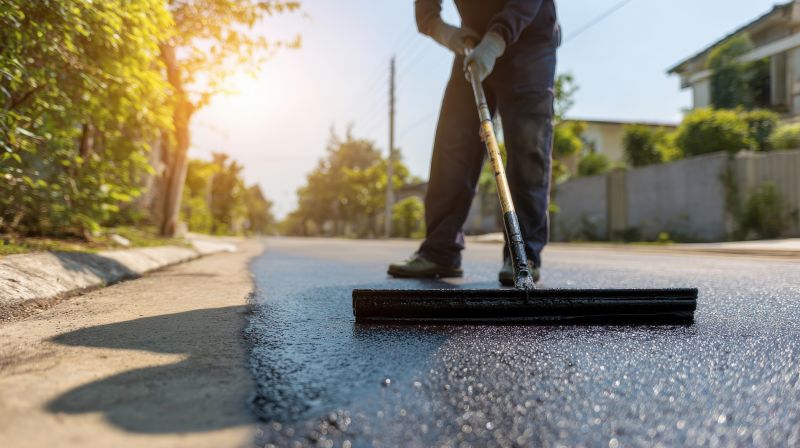
A 60-second routine that keeps Asphalt Sealings looking new.
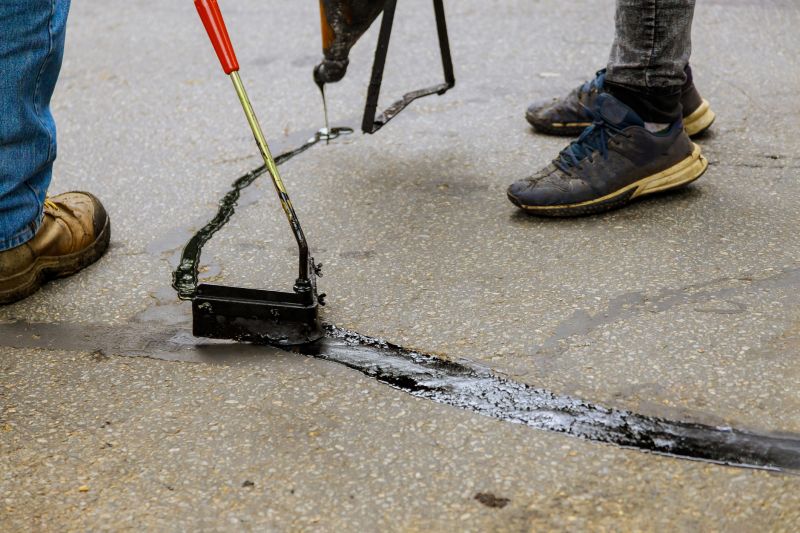
A frequent mistake in Asphalt Sealings and how to dodge it.
Small tweaks to make Asphalt Sealings safer and easier to use.
Lower-waste or water-saving choices for Asphalt Sealings.
Interested in scheduling asphalt sealings? Filling out the contact form can provide more information and help determine the best timing for specific surfaces and local weather conditions.